What Is The Best Garage Floor Coating For Homes?
If you just want the short answer: for most homeowners in New Jersey, Pennsylvania, and Delaware, polyaspartic coatings are the better long-term choice for a garage floor. They cure fast, shrug off UV exposure and road salt, and hold up to hot tires and freeze-thaw cycles better than traditional epoxy. Epoxy still has its place — it's a proven, budget-conscious option for garages that see lighter use — but after installing both systems in hundreds of garages, Durashield LLC's crews consistently see polyaspartic outperform epoxy over the life of the floor. Below, we break down exactly why, based on what actually happens to these coatings once cars, salt, moisture, and seasons get to work on them.
Comparison of Polyaspartic and Epoxy Garage Floor Coatings
Every garage floor coating job starts with the same question: which system fits this floor, this climate, and this homeowner's timeline and budget? Durashield LLC has installed both epoxy and polyaspartic systems across the Tri-State area, and the differences below aren't textbook theory — they're what we see on real jobsites, year after year.
1. Curing Time:
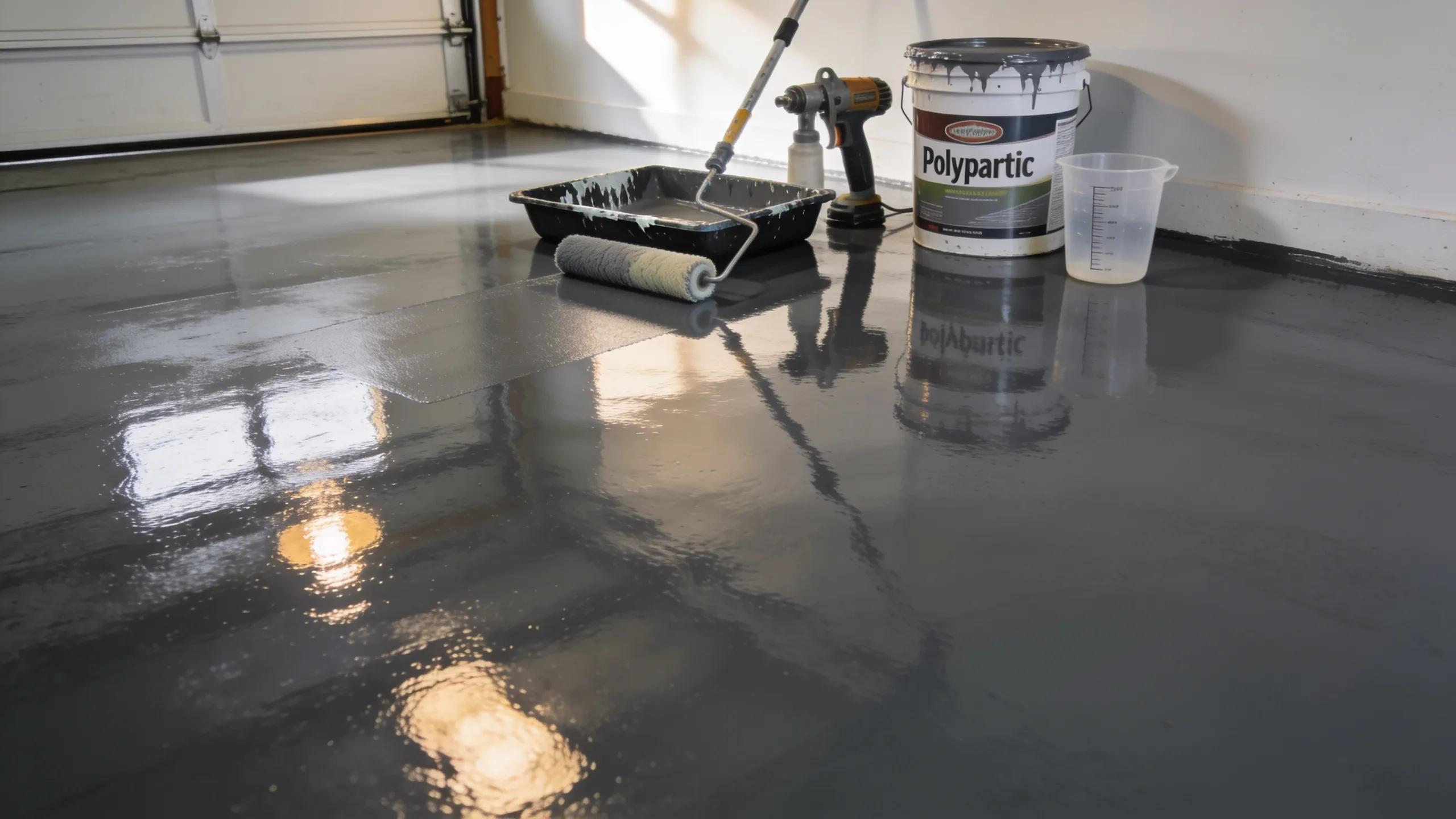
This is usually the first thing homeowners ask about, and it's a real differentiator. Polyaspartic coatings cure hard enough to walk on and drive on in about 24 hours, so your garage isn't out of commission for a week. Epoxy needs 3 to 7 days before it's fully cured, and pulling a car in too early can leave tire marks or soft spots in the finish. If you've only got one weekend to get this done, polyaspartic is the practical choice.
2. UV Resistance:
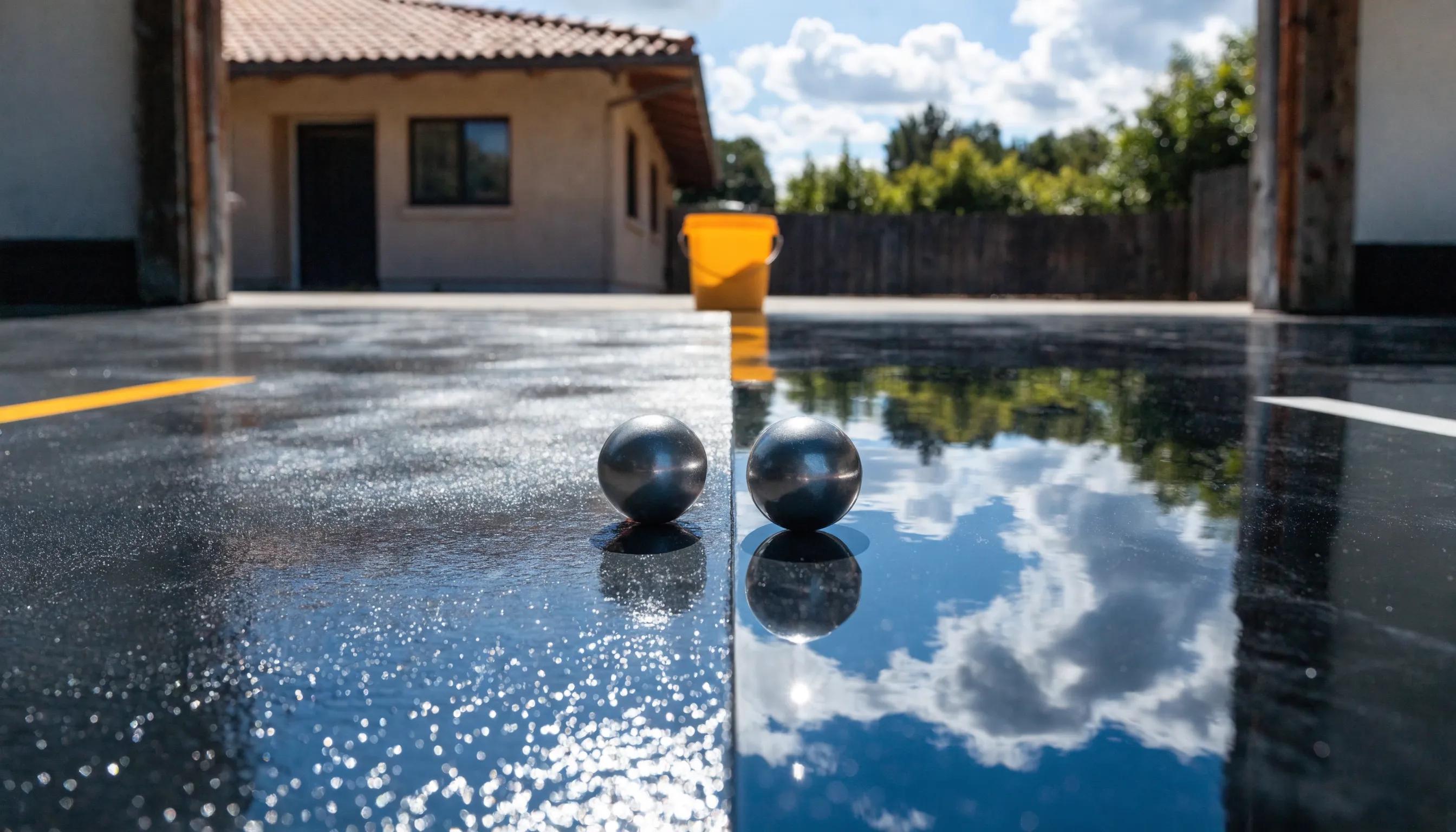
Garages with south-facing doors or a lot of natural light take a beating from UV rays, and this is where epoxy shows its age fastest. Standard epoxy will yellow, chalk, or fade within a few years of regular sun exposure — we see it constantly on older installs we're asked to recoat. Polyaspartic resin is UV-stable by nature, so the color and finish stay consistent year after year, even in a garage that bakes in direct sunlight most of the day.
3. Durability:
Durability is where the two systems really part ways. Polyaspartic coatings resist abrasion, impact, and heavy point loads better than epoxy, which matters if you're parking a truck, running a jack stand, or dropping tools on the floor regularly. Epoxy is a solid, hardworking coating, but it's more prone to chipping and denting under the kind of daily abuse a working garage dishes out.
4. Aesthetic Options:
Both systems look great when installed correctly, but decorative flake systems are where things get interesting. Durashield LLC broadcasts colored vinyl flakes into the base coat, then locks them in with a clear topcoat — the result is a durable, terrazzo-like finish that hides minor concrete imperfections, adds slip resistance, and gives your garage a showroom look instead of a flat, painted-on appearance. Polyaspartic basecoats pair especially well with flake because the fast cure means we can build the full multi-layer system in a single visit. Epoxy comes in plenty of solid colors too, but the flake blends and custom color combinations are where a polyaspartic-based flake floor really stands out.
5. Application Conditions:
This is a big deal for our region. New Jersey, Pennsylvania, and Delaware garages deal with humidity swings, cold snaps, and everything in between, and epoxy is picky about the conditions it goes down in — narrow temperature windows and low humidity requirements can push a job back by days if the weather doesn't cooperate. Polyaspartic tolerates a much wider range of temperature and humidity, which means fewer scheduling headaches and more consistent results, even during the shoulder seasons when New Jersey weather can't decide what it's doing.
6. Maintenance:
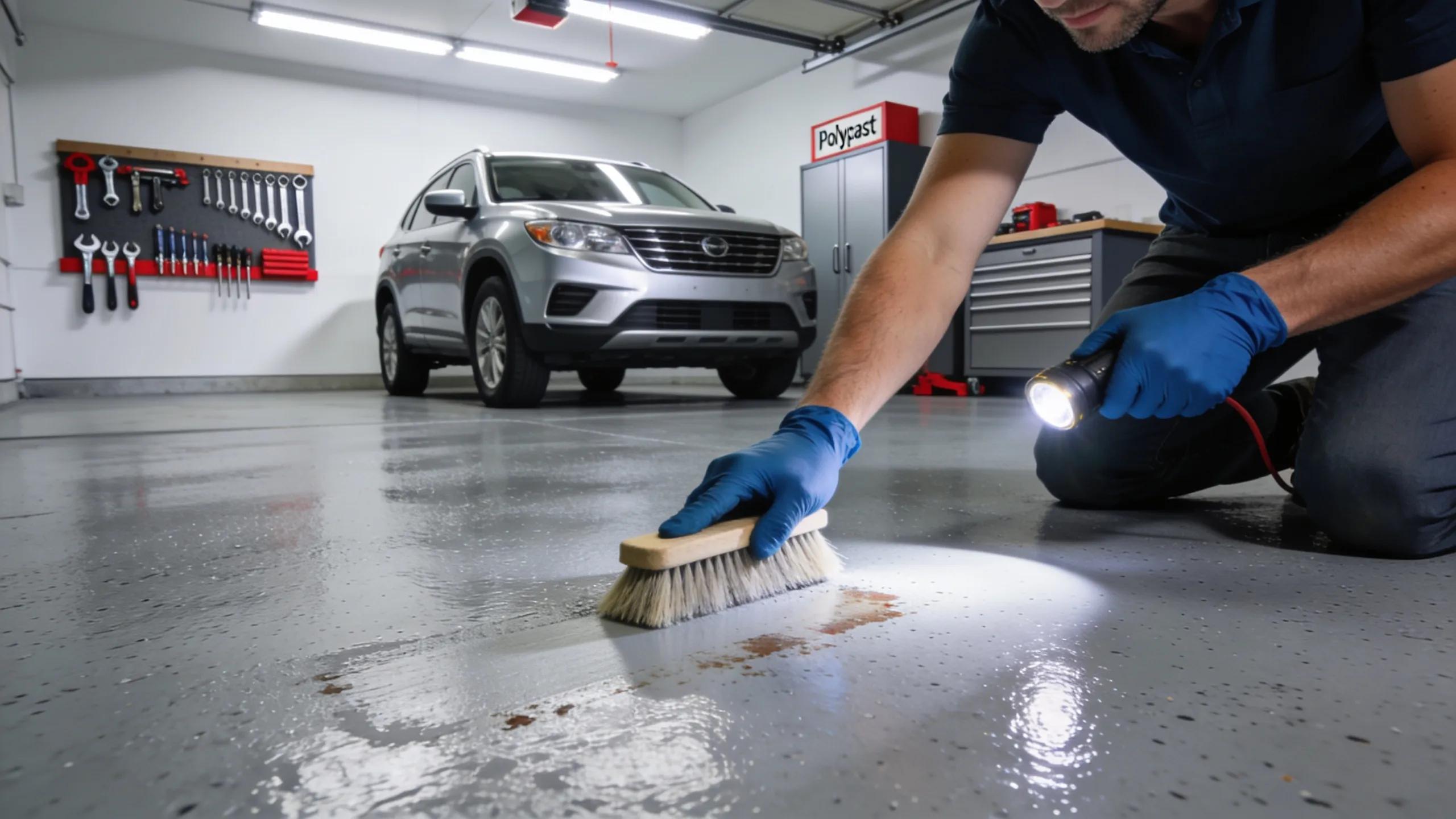
A polyaspartic floor is about as low-maintenance as garage flooring gets — the surface is dense and non-porous, so dirt, oil, and de-icing salt wipe up without staining. Epoxy holds up fine day to day, but it's more prone to absorbing stains over time and may need periodic recoating in high-traffic spots to keep it looking sharp.
7. Cost:
We'll be straight with you: pricing isn't one-size-fits-all, and any contractor who quotes you a flat per-square-foot number before seeing your garage is guessing. What you'll actually pay depends on your garage's square footage, the condition of the existing concrete, how much crack repair or moisture mitigation is needed, whether the old coating has to be removed, and which coating system and flake package you choose. A two-car garage with a clean slab and a basic epoxy system costs a lot less than a three-car garage with cracked concrete, oil staining, and a full flake polyaspartic build-out. Durashield LLC evaluates the concrete in person before giving you a number, because that's the only way to give you an accurate one.
8. Ideal Use Cases:
Polyaspartic makes the most sense for daily-driver garages, homes near the shore or in salt-treated winter climates, and anyone who wants the job done fast without sacrificing durability. Epoxy still earns its keep in garages used mainly for storage, light hobby space, or occasional parking where cost is the top priority and the floor won't be pushed as hard.
Why Choose Polyaspartic Garage Floor Coating For Your Home?
Polyaspartic isn't just the trendier option — it holds up to the way people actually use their garages. Durashield LLC installs these systems because we'd rather stand behind a floor that lasts than come back in a few years to redo one that didn't.
How Does Fast Curing Improve Garage Floor Usability?
A 24-hour cure means your garage isn't sitting empty for a week while the coating hardens. Durashield LLC schedules most polyaspartic jobs so homeowners are back to parking, storing, and using their space the next day — which matters a lot if your garage doubles as your only covered parking or your main workspace.
How Does Epoxy Compare To Polyaspartic Garage Floor Coatings?
Epoxy isn't a bad coating — it's just an older technology with real limitations. It costs less upfront, but it cures slower, yellows faster in the sun, and doesn't handle hot tire pickup or heavy impact quite as well as polyaspartic. For a lightly used garage, that trade-off might make sense. For a daily-driver garage that sees road salt, temperature swings, and real wear, polyaspartic is the system Durashield LLC recommends without hesitation.
What Is The Typical Garage Floor Coating Installation Process And Timeline?
Every job starts the same way: mechanical diamond grinding to open up the concrete pores and remove old coatings, sealers, or contamination that would otherwise cause peeling. From there, we repair cracks and pitting, apply a primer or base coat, and finish with the topcoat and any decorative flake. A polyaspartic system can often be completed in a single day thanks to its fast cure; epoxy typically stretches the timeline to 2 to 3 days because each layer needs longer to cure before the next goes down. Skipping the grinding step is the single biggest reason coatings fail early, so it's not a step Durashield LLC cuts corners on.
What Preparation Steps Ensure Long-Lasting Garage Floor Protection?
Preparation is where a coating job is won or lost, full stop. Durashield LLC's process includes mechanical grinding to profile the concrete, patching cracks and low spots, addressing any moisture issues in the slab, and making sure the surface is completely clean and dry before anything gets applied. Skip this step — or worse, just roll a coating over old paint or a dirty slab — and you'll see peeling and delamination within a year or two, no matter how good the coating itself is. This is the part of the job that doesn't show up in photos but determines whether your floor lasts 3 years or 20.
How Much Does Durable Garage Floor Coating Cost For Residential Homes?
There's no honest flat rate here. Your final price depends on your garage's size, the condition of the slab underneath, how much repair or moisture mitigation is needed, whether old coating needs to be ground off, and which system — epoxy, polyaspartic, or a decorative flake build — you choose. Durashield LLC walks every garage in person before quoting, because a cracked, oil-stained slab and a clean, newer one are two very different jobs even if they're the same square footage.
Are There Cost Benefits To Choosing Polyaspartic Over Epoxy?
Yes, and it shows up over time rather than on day one. Polyaspartic costs more upfront, but its resistance to UV fading, hot tire pickup, and road salt means you're not paying for touch-ups, recoats, or an early redo a few years down the line. Homeowners who plan to stay in their house for the long haul, or who just don't want to think about their garage floor again, generally come out ahead with polyaspartic.
Cost Considerations
Instead of quoting a national price-per-square-foot number that won't hold up once we see your actual garage, here's what really moves the needle on cost:
Cost Factor | Why It Matters |
|---|---|
Garage size | More square footage means more material and labor time. |
Concrete condition | Cracks, pitting, or old oil stains require extra repair before coating. |
Existing coating removal | Grinding off a failed epoxy or paint job adds prep time. |
Moisture in the slab | Untreated moisture issues can cause a coating to fail early and may need addressing first. |
Coating system selected | Epoxy, polyaspartic, and decorative flake builds carry different material costs. |
Decorative flake or custom design | Multi-color blends and full-flake broadcasts add labor and material versus a solid color. |
Durashield LLC walks through each of these with homeowners during a free, in-person consultation, so the number you get is based on your garage — not a generic average.
Frequently Asked Questions
Which is better for a home garage: polyaspartic or epoxy coating?
For most homeowners, polyaspartic is the better long-term investment — it cures faster, resists UV yellowing, and holds up better to hot tires, road salt, and freeze-thaw cycles common in New Jersey, Pennsylvania, and Delaware. Epoxy remains a solid, budget-friendly choice for garages with lighter use and less direct sun exposure. Durashield LLC can help you weigh the trade-offs based on how you actually use your garage.
How long does a polyaspartic garage floor coating take to install?
Polyaspartic coatings typically cure within 24 hours, and Durashield LLC can often complete the full job — grinding, repairs, base coat, flake, and topcoat — in a single day.
Will an epoxy garage floor coating turn yellow over time?
Yes, standard epoxy is prone to yellowing and fading with sun exposure because it has lower UV resistance than polyaspartic. If your garage gets a lot of natural light, Durashield LLC generally recommends polyaspartic to keep the finish looking consistent for years.
How much does garage floor coating cost for a residential home?
It depends on your garage's size, the condition of the concrete, how much repair or moisture mitigation is needed, and which coating system you choose. Durashield LLC provides a detailed, accurate estimate after evaluating your garage in person rather than quoting a generic rate.
What preparation does Durashield LLC recommend before applying a coating?
Mechanical diamond grinding to properly profile the concrete, crack and pitting repair, moisture assessment, and a fully clean, dry surface before primer and coating go down. This preparation is what determines whether a floor lasts decades or fails within a couple of years.
Does road salt or freeze-thaw weather damage garage floor coatings?
It can, especially with lower-quality or improperly prepared coatings. Salt tracked in during winter and the freeze-thaw cycles typical of the Tri-State area put real stress on a garage floor. A properly installed polyaspartic system, backed by thorough concrete preparation, is built to handle exactly these conditions without lifting, cracking, or discoloring.
Ready for a Garage Floor That Can Actually Handle Your Life?
Whether you're leaning toward a classic epoxy finish, a durable polyaspartic system, or a decorative flake floor that hides wear and adds traction, the right choice comes down to your garage, your climate, and how you use the space. Durashield LLC has spent years grinding, repairing, and coating garage floors throughout New Jersey, Pennsylvania, and Delaware, and we'd rather walk your garage in person than guess at a number online.
Browse our Flake Flooring systems or Resinous Epoxy options, see how proper Floor Demo & Grinding sets a floor up to last, or check out real results in our Projects Gallery before you decide. When you're ready to talk specifics, contact Durashield LLC to schedule a free, no-pressure consultation — we'll assess your concrete, walk you through your options, and give you a straight answer on what your garage actually needs.