What Is Resinous Epoxy Flooring And Where Is It Used?
Resinous epoxy flooring is a cutting-edge flooring solution known for its durability and aesthetically pleasing finishes, making it popular in various commercial and industrial settings. Durashield LLC specializes in the professional installation of these high-performance systems, serving businesses across New Jersey, Pennsylvania, and Delaware. In this comprehensive guide, we will delve into the core properties of resinous epoxy flooring, explore its benefits, and identify its primary applications, particularly focusing on its usage in those states. Flooring selection can be a daunting task for many businesses aiming to enhance their workspace's functionality and appeal. By the end of this article, readers will gain insights into how resinous epoxy flooring not only meets but exceeds their operational requirements.
We will cover essential aspects such as the properties that make resinous epoxy flooring unique, its effectiveness in industrial environments, and how proper installation leads to longevity. Additionally, we will discuss the maintenance expectations for this flooring type to ensure optimal performance over time.
Overview of Resinous Epoxy Flooring
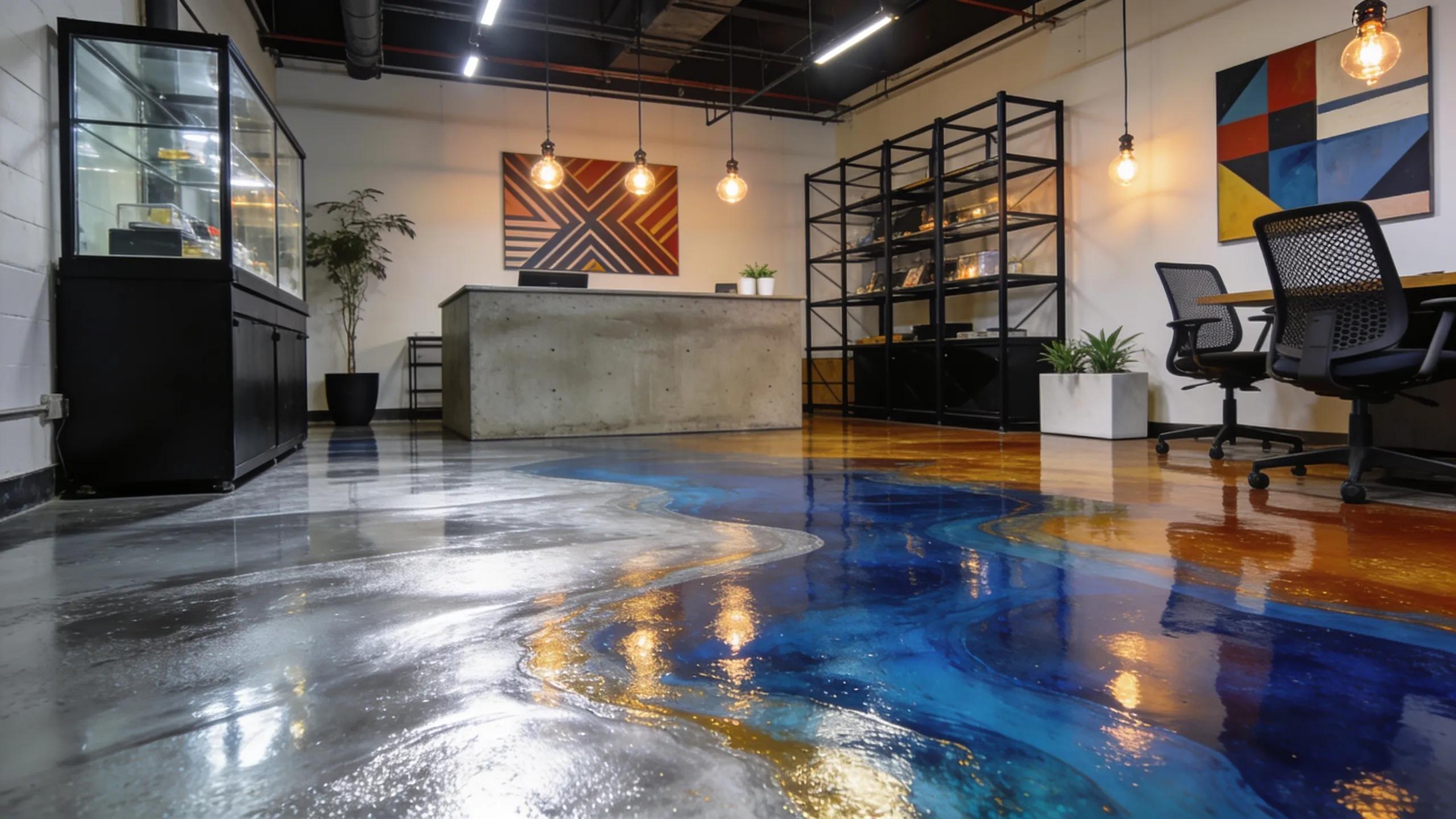
Resinous epoxy flooring is a versatile flooring system composed of a mixture of epoxy resin and hardener, resulting in a robust surface well-suited for high-traffic areas. This flooring type is widely appreciated for its seamless finish, which resists dirt, staining, and chemicals. Commonly used in commercial and industrial settings, it is a durable choice that can withstand various environmental challenges, such as heavy machinery and frequent foot traffic. The appeal of epoxy flooring lies in its ability to combine functionality with design flexibility, offering numerous color and texture choices.
What defines resinous epoxy flooring and its core properties?
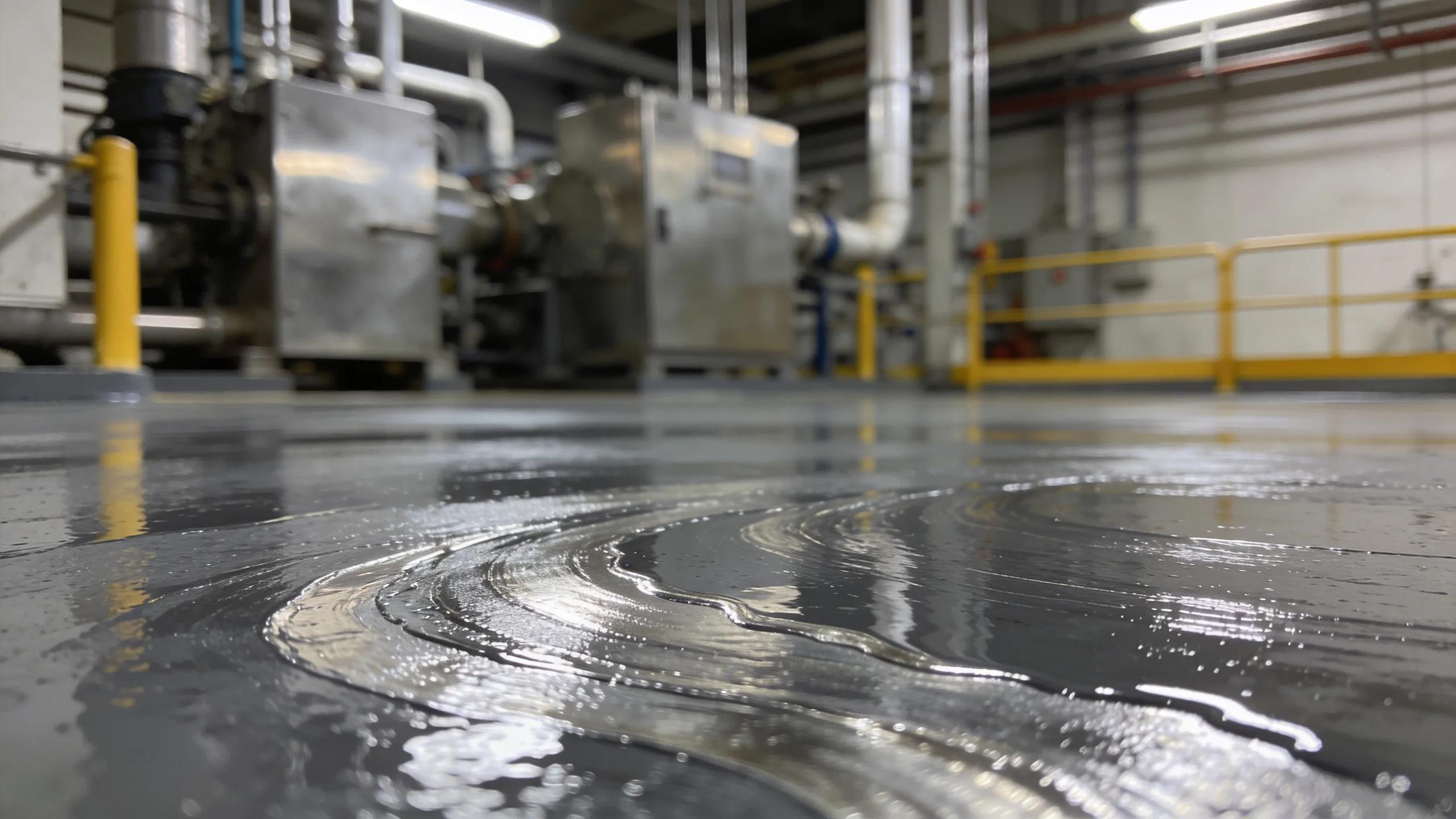
At its core, resinous epoxy flooring is characterized by its high tensile strength, chemical resistance, and longevity. The primary components—epoxy resin and hardener—undergo a chemical reaction that creates a hardened surface with exceptional durability. This process not only enhances the flooring’s lifespan but also contributes to its aesthetic appeal. The distinctive properties of resinous epoxy flooring include:
Chemical Resistance: Protects the floor from corrosive substances.
Durability: Capable of withstanding heavy usage without significant wear.
Seamless Finish: Provides a clean and polished look, ideal for commercial environments.
These properties make resinous epoxy an excellent choice, particularly for areas where aesthetic and functional performance are crucial.
How does epoxy resin create durable and chemical-resistant floors?
The strength of epoxy flooring emanates from its chemical composition. When epoxy resin combines with a hardener, it forms a tight, cross-linked 3D structure that enhances its load-bearing capabilities. This chemical bond is responsible for the exemplary resistance to wear, impacts, and various chemicals, ensuring that the floor remains intact over time. Additionally, the application process involves meticulous surface preparation and multiple coating layers, which further contributes to the flooring's overall strength and resilience.
What benefits do industrial and commercial clients gain from epoxy floors?
Epoxy flooring presents several advantages tailored specifically for both industrial and commercial clients. Understanding these benefits can help businesses make informed flooring decisions:
Cost-Effectiveness: Lower maintenance and longer lifespan result in reduced overall costs.
Safety Features: Slip-resistant surfaces help minimize accidents in fast-paced environments.
Easy Cleaning: The seamless finish inhibits dirt accumulation, simplifying maintenance routines.
Integrating epoxy flooring can lead to considerable long-term savings while enhancing workplace safety and cleanliness.
Where is resinous epoxy flooring most effectively used in commercial and industrial settings?
Resinous epoxy flooring finds its most effective applications in several industries, making it an ideal choice for locations that demand durable and resilient surfaces. Common settings include:
Manufacturing Plants: Floors need to withstand mechanical impacts and chemical spills.
Hospitality: Restaurants and hotels benefit from aesthetics and easy maintenance.
Healthcare Facilities: Offer crucial hygiene and cleanliness features.
Automotive Facilities: Require durable, cleanable surfaces to accommodate oil and grime.
Each of these environments can leverage epoxy flooring to improve functionality and safety.
What are the primary commercial applications in NJ, PA, and DE?
In regions like New Jersey, Pennsylvania, and Delaware, resinous epoxy flooring is increasingly being utilized across various sectors. Key commercial applications include:
Retail Spaces: Deliver both visual appeal and practical durability.
Warehouses: Heavy-duty options withstand high-load requirements.
Food Processing Facilities: Offer chemical resistance and sanitary surfaces.
These applications showcase how epoxy flooring can adapt to meet the unique needs of different industries within these states.
How does epoxy flooring support industrial environments with chemical exposure?
Resinous epoxy flooring is particularly valuable in environments exposed to harsh chemicals. Its inherent chemical resistance protects the substrate from deterioration caused by spills and accidental exposure. Furthermore, this type of flooring does not easily stain or discolor when in contact with caustic materials, making it a smart choice for manufacturing environments that routinely handle various substances. This reliability contributes significantly to safety in operations, ensuring that the working environment remains functional and safe for employees.
How is epoxy floor installation performed to ensure longevity and performance?
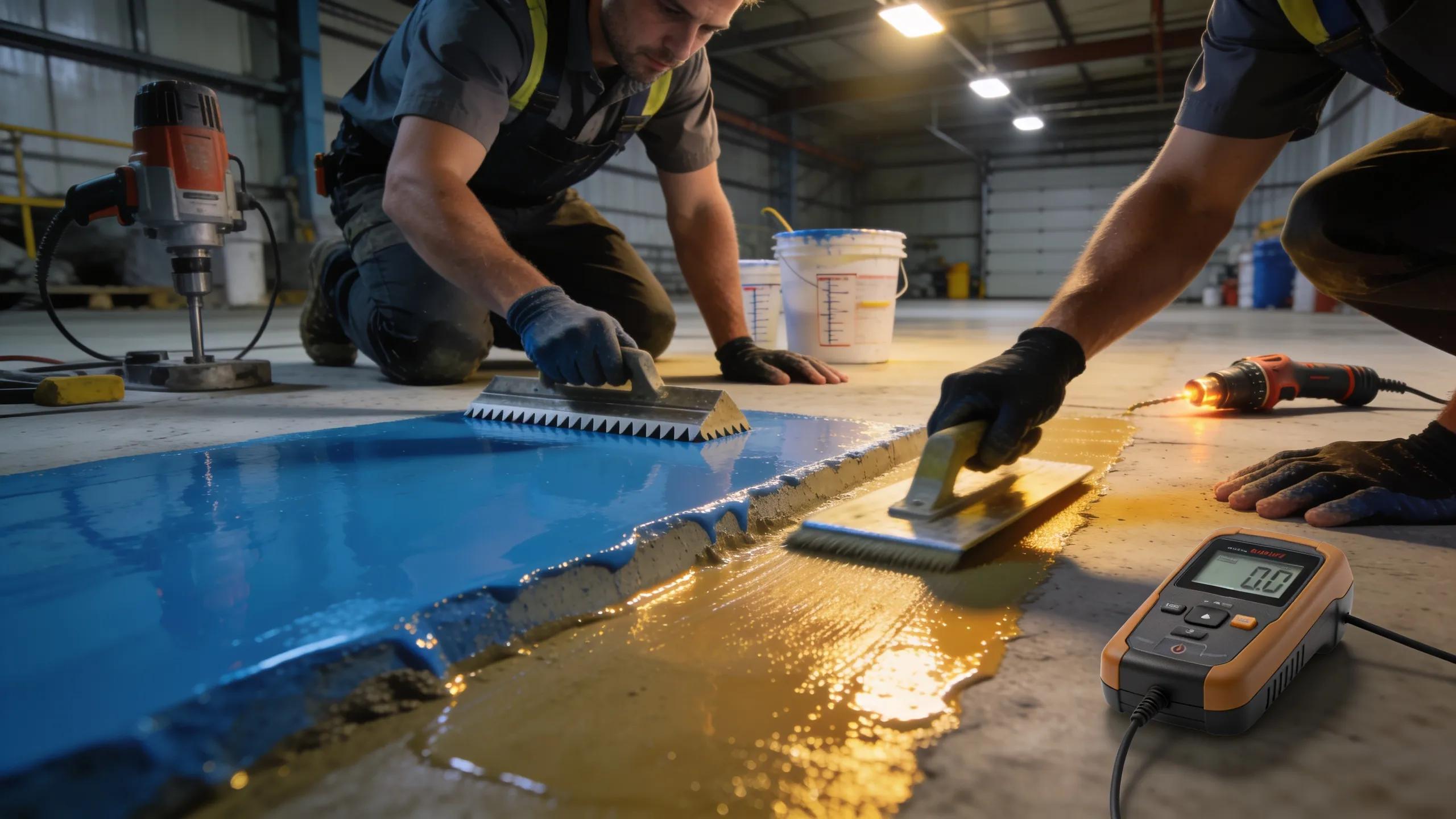
Proper installation of epoxy flooring is critical to achieving the longevity and performance it is known for. Durashield LLC follows a rigorous installation process with several key steps designed to optimize the finished product's durability:
Surface Preparation: Ensuring a clean and smooth surface for bonding.
Mixing the Epoxy: Following precise measurements for resin and hardener.
Application: Using suitable equipment for even application and coverage.
Curing: Allowing sufficient time for the epoxy to harden properly.
This careful process ensures that the flooring will withstand traffic, resist chemicals, and maintain its aesthetic appeal over time.
What are the key steps in the professional epoxy coating installation process?
The professional installation process for epoxy coating involves multiple key steps to guarantee a successful application:
Inspection: Assessing the surface for damage or contamination prior to installation.
Preparation: Mechanical grinding or shot blasting to create a suitable substrate surface.
Priming: Applying a primer coat to enhance adhesion.
Installing the Epoxy Coating: Applying the mixed epoxy in sections to ensure uniformity and avoid pooling.
Final Curing: Allowing the flooring to cure properly for optimal performance.
Each step is vital to ensuring that the epoxy flooring adheres properly and performs optimally, reflecting the importance of skilled labor in the installation process.
How do installation practices enhance durability and aesthetic appeal?
Installation practices play a pivotal role in enhancing both the durability and aesthetic quality of resinous epoxy flooring. Effective surface preparation, for instance, ensures that the epoxy bonds tightly to the substrate, preventing peeling or chipping. Moreover, skilled installation can incorporate design elements such as colored flakes or patterns, elevating the visual appeal. These practices yield a flooring solution that is not only functional but also visually impressive, creating a welcoming environment for customers and employees alike.
What practical benefits and maintenance expectations should clients consider?
Clients considering resinous epoxy flooring should weigh practical benefits alongside maintenance expectations. Epoxy floors offer significant advantages in various commercial settings:
Extended Lifespan: With proper installation and maintenance, these floors can last for decades.
Low Maintenance: Quick cleaning routines are typically sufficient to keep floors in excellent condition.
Resilience to wear: The flooring can handle heavy impacts from machinery or foot traffic without losing integrity.
Setting realistic maintenance expectations—such as periodic deep cleaning—can ensure the flooring continues to perform well over time.
How does resinous epoxy flooring offer slip resistance and chemical protection?
Slip resistance is a critical safety feature of resinous epoxy flooring. By incorporating additives during the installation process, the flooring can possess enhanced grip, thus reducing the likelihood of slip-and-fall accidents. This is particularly important in industrial settings where spills may occur frequently. Additionally, the chemical-resistant nature of epoxy protects against spills, allowing for easier cleanup and maintaining the integrity of the floor. The combination of these properties ensures that resinous epoxy flooring not only enhances safety but also extends the life of the flooring itself.
What maintenance routines maximize floor lifespan in commercial applications?
To maximize the lifespan of resinous epoxy flooring within commercial spaces, regular maintenance routines should be established. Effective practices include:
Routine Cleaning: Using a damp mop with mild detergent to keep surfaces clean.
Periodic Inspections: Checking for any signs of wear, damage, or discoloration.
Immediate Spill Response: Addressing chemical or oil spills promptly to avoid any potential staining or long-term damage.
Implementing these maintenance routines not only preserves the aesthetic of the flooring but also enhances its functional lifespan, ensuring consistent performance in demanding environments. Durashield LLC is available to advise on customized maintenance plans tailored to each facility's specific needs.
Frequently Asked Questions
What is resinous epoxy flooring?
Resinous epoxy flooring is a high-performance flooring system made by combining epoxy resin and a hardener, which chemically react to form a hard, seamless, and durable surface. It is widely used in commercial and industrial settings for its strength, chemical resistance, and aesthetic versatility.
How long does resinous epoxy flooring last?
With proper installation and routine maintenance, resinous epoxy flooring can last for decades. Its longevity depends on factors such as surface preparation quality, the level of foot and machinery traffic, and adherence to recommended cleaning and inspection routines.
Is epoxy flooring suitable for environments with chemical exposure?
Yes. Resinous epoxy flooring is specifically engineered to resist a wide range of corrosive and caustic substances. Its tight, cross-linked molecular structure prevents chemicals from penetrating the surface, making it an excellent choice for manufacturing plants, food processing facilities, and automotive shops.
How do you maintain resinous epoxy floors in commercial settings?
Routine maintenance involves damp mopping with a mild detergent, conducting periodic inspections for signs of wear or discoloration, and responding promptly to any chemical or oil spills. These practices preserve both the appearance and functional integrity of the flooring over time.
Does Durashield install epoxy flooring in New Jersey, Pennsylvania, and Delaware?
Yes. Durashield provides professional resinous epoxy flooring installation across New Jersey, Pennsylvania, and Delaware, serving a broad range of commercial and industrial clients in those regions.
Ready to Upgrade Your Floors? Contact Durashield LLC Today
Whether you manage a manufacturing facility, warehouse, retail space, or commercial kitchen, Durashield LLC delivers high-performance resinous epoxy flooring systems built to last. Proudly serving businesses across New Jersey, Pennsylvania, and Delaware, the Durashield team brings expertise, precision, and premium materials to every project.
Get a free estimate and find the right flooring solution for your facility:
Available 7 days a week, 7am–8pm. Request a consultation today.